
Overview of the Fleck 5600
The Fleck 5600 is a high‑performance power‑line communication gateway designed for industrial automation. It supports 100 Mbps Ethernet, offers secure encryption, and integrates seamlessly with existing PLCs and SCADA systems. Its compact form rugged design make it ideal for harsh environments;!!
1.1 What Is the Fleck 5600?
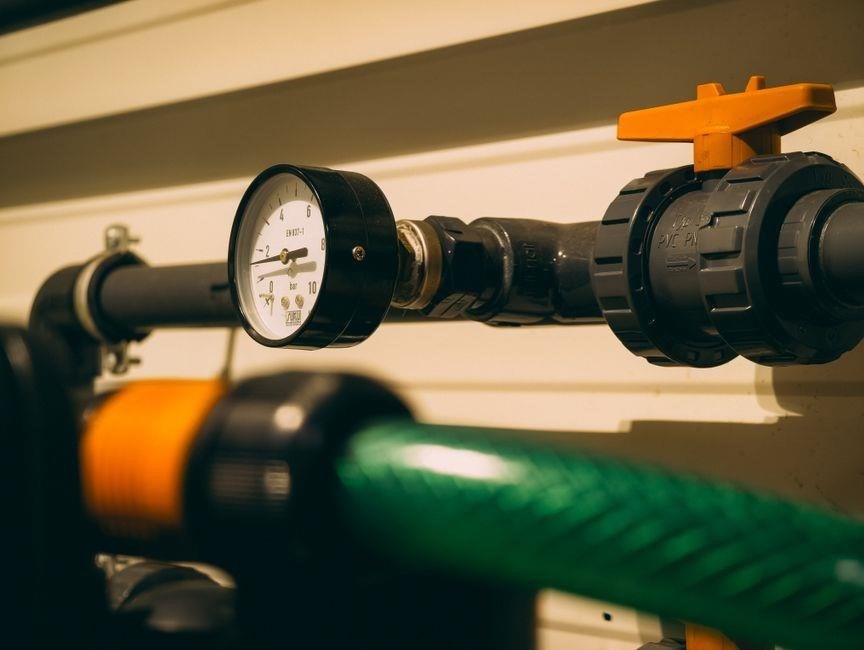
The Fleck 5600 is a versatile, high‑performance power‑line communication (PLC) gateway engineered for industrial automation and control applications. It bridges Ethernet networks to existing power‑line infrastructure, enabling secure, low‑latency data transmission over standard mains wiring. The device supports 100 Mbps Ethernet connectivity, dual‑band Wi‑Fi (802.11b/g/n), and optional cellular (3G/4G) modules for remote monitoring. It features robust security protocols, including AES‑128 encryption, secure boot, and role‑based access control, ensuring data integrity and protection against cyber threats. The 5600’s modular architecture allows integration with PLCs, SCADA, and HMI systems via Modbus TCP, OPC UA, and SNMP. Its rugged chassis meets IP65 ingress protection and can operate in temperatures ranging from –20 °C to +60 °C, making it suitable for harsh industrial environments. The gateway’s firmware supports OTA updates, allowing seamless deployment of new features and bug fixes without physical access. With a compact footprint (120 mm × 120 mm × 35 mm) and lightweight construction, the Fleck 5600 can be mounted in control panels or wall brackets, simplifying installation. The device’s intuitive web interface provides real‑time monitoring, configuration, and diagnostics, while the accompanying SDK enables custom application development. Overall, the Fleck 5600 delivers reliable, secure, and scalable communication for modern industrial networks, reducing cabling costs and accelerating digital transformation initiatives. Its firmware is modular, letting users add or remove features via plug‑in modules without impacting core functions. The device also supports PTP and NTP for time sync across systems; Field technicians benefit from diagnostic LEDs and a serial console, speeding status checks and reducing downtime. Compliance with IEC 61850 extends its use to substation automation
Safety Guidelines
Before installing the Fleck 5600, disconnect power and ground the unit. Use insulated tools and wear gloves. Verify voltage is within limits, keep device dry, avoid water, follow local codes. If a fault occurs, contact qualified personnel. Ensure all connections are secure.
2.1 Safety Precautions
Before beginning any work on the Fleck 5600, ensure that the device is powered off and disconnected from all mains supplies. Use only insulated tools and wear appropriate personal protective equipment, such as gloves, safety glasses, and protective clothing. Verify that the operating environment is dry, free of dust, and that ventilation is adequate to prevent overheating. Keep the device away from flammable materials and avoid exposing it to water or moisture. When handling cables, ensure they are properly rated for the voltage and current they will carry, and secure them to prevent accidental disconnection or damage. Follow all local electrical codes and regulations, and if you are not qualified to perform the work, seek assistance from a licensed electrician or qualified technician. In the event of a fault or abnormal condition, immediately disconnect the power and notify the maintenance team. Do not attempt to repair the device yourself unless you have the appropriate training and tools. Keep a log of all maintenance activities and any incidents for future reference. Regularly inspect the device for signs of wear, corrosion, or damage, and replace any compromised components promptly. Finally, ensure that all safety labels and warnings on the device remain visible and intact at all times. All personnel must follow lock‑out/tag‑out procedures and verify the device’s grounding meets current safety codes to avoid shock hazards and wear insulated gloves

Installation Process
The Fleck 5600 mounts on a DIN rail or wall bracket, connects power via the 24 V DC input, and links to the network with an Ethernet cable. Ensure grounding, secure cable routing, and verify IP settings before powering on. Follow the quick‑start guide for configuration.
3.1 Pre‑Installation Checklist
- Confirm the device is stored in a temperature‑controlled environment (0 °C to 40 °C) and protected from dust.
- Verify the power supply meets the 24 V DC ±10 % requirement and is fused to 10 A.
- Check that the DIN rail or wall bracket is rated for the device’s weight and dimensions.
- Ensure the Ethernet cable is Cat 5e or higher, with proper shielding and length limits (≤ 100 m).
- Confirm the network switch supports 100 Mbps and has available ports.
- Review the local electrical code for grounding and bonding requirements.
- Have the device’s serial number and firmware version documented for future reference.
- Set up a temporary work area with a non‑conductive mat and proper PPE.
- Prepare a backup of the current network configuration to avoid downtime.
- Schedule a maintenance window to minimize impact on production.
- Verify that the device’s firmware is up to date and matches the version listed in the documentation.
- Confirm that the network switch’s VLAN configuration allows the Fleck 5600’s MAC address to communicate with the control network.
- Test the power cable for continuity and ensure it is securely fastened to the device’s power connector.
- Check that the device’s mounting hardware is tightened to the specified torque value (typically 10 Nm).
- Verify LED indicators are visible and not covered by dust or paint.
- Log installation date record in the logbook.!

Operational Instructions
Power on the device, then connect the Ethernet cable to the switch. Verify the link LED blinks green. Access the web interface via the IP, configure network settings, and set the device name. Test communication with the PLC before starting production in 5 min.!
4.1 Starting and Stopping the Device
To start the Fleck 5600, ensure the main power switch is in the OFF position. Connect the supplied power cord to a grounded outlet and verify the outlet voltage matches the device specifications. Slide the power switch to ON; the status LEDs will illuminate, indicating power is present. Within 30 seconds, the device will perform a self‑diagnostic routine. Observe the diagnostic LED: a steady green confirms successful boot, while flashing patterns indicate errors that require troubleshooting. Once the device is operational, access the configuration portal by entering the default IP address into a web browser on the same network segment. Log in with the administrator credentials, then navigate to the network settings page to assign a static IP or enable DHCP as needed. Save the configuration and allow the device to reboot automatically. After reboot, confirm network connectivity by pinging the gateway and checking the status page for a healthy link. To stop the device safely, first log out of the configuration portal and close all active sessions. Then, press the power button on the front panel or use the remote shutdown command via the web interface. The device will enter a graceful shutdown sequence, during which the status LEDs will flash amber. Wait until the LEDs return to steady green before disconnecting the power cord. This procedure prevents data corruption and ensures the next startup will complete without errors. Follow these steps each time to maintain device integrity reduce downtime!
Maintenance and Cleaning
Regular maintenance keeps the Fleck 5600 reliable. Clean ventilation ports and front panel with a lint‑free cloth dampened in isopropyl alcohol. Tighten any loose cable connections and verify firmware is current. Perform a system reboot after cleaning to ensure proper operation. Check power. OK!
Monthly inspection focuses on the external housing, ventilation, and power connectors. Remove dust with a soft brush, ensuring no moisture contacts. Verify that all status LEDs display normal colors, and confirm that the device responds to ping requests. Log any anomalies in the maintenance log. If any LED indicates an error state, consult the error code table before proceeding. Ensure the device is powered off during any physical inspection to prevent accidental contact. Add tags.!
Quarterly maintenance includes firmware upgrades, cable integrity checks, and environmental monitoring. Update the device firmware to the latest version using the official update utility. Inspect all cable connections for corrosion or wear; immediately. Verify the device’s temperature sensor reports within the specified range. Record the firmware version and cable status in the log. Done. OK
Yearly maintenance focuses on comprehensive system checks, including configuration backups, filter replacements, and fail‑over testing. Back up the current configuration using the web interface or command‑line tool; store the backup in a secure off‑site location. Replace any dust filters that show signs of clogging. Perform a full fail‑over test by simulating a power outage and verifying that the device resumes operation within the specified recovery time; Finally, review all maintenance logs and update the asset management system with the latest serial numbers and firmware versions. Done.

Troubleshooting Common Issues
When the Fleck 5600 fails to communicate, first check the LED status. A solid green indicates normal operation; amber may signal firmware mismatch. Reset the device via the web interface, then re‑apply the correct firmware. If the problem persists, review the log for error codes. Check firmware.!!
6;1 Error Code Resolution
When the Fleck 5600 displays an error code,consult the following approach to isolate resolve issue. 1. Identify the code: The error code appears on the device’s front panel or in the web interface log. 2. Reference the code list: Match the code to the documented description in the user manual. 3. Verify physical connections: Ensure all power and network cables are securely seated and undamaged. 4. Check firmware version: An outdated firmware can trigger compatibility errors; download the latest firmware from the manufacturer’s website and perform an update via the web interface. 5. Reset device: Use the reset button to restore factory defaults if the error persists. 6. Review environmental conditions: Excessive temperature, humidity, or electromagnetic interference can cause transient errors; relocate the unit or improve shielding. 7. Test with a known good network: Connect the device to a different switch or router to rule out network faults. 8. Inspect logs: The web interface provides detailed event logs; filter by the error code to identify preceding events that may have triggered the fault. 9. Contact support: If all steps above fail, gather the serial number, firmware version, and log excerpts and submit a support ticket. The support team will guide you through advanced diagnostics or arrange a replacement if necessary. Following this structured troubleshooting process will minimize downtime and ensure reliable operation of the Fleck 5600 in critical applications.

Technical Specifications
The Fleck 5600 delivers 100 Mbps Ethernet, 2 Gbit/s power‑line, dual‑band 2.4/5 GHz Wi‑Fi, 32‑bit ARM Cortex‑M4 CPU, 64 MB flash, 8 MB RAM, 10 Gbps PCIe, 1 Gbps SFP+, 48 VDC input, 12 VDC output, 12 W power, IP65 rating, 5‑year warranty, 4‑channel PoE, 128 MB SDRAM, 256 MB NAND, 2 × USB‑C, 1 × HDMI, 1 × M.2, 3 × GPIO, 1 × I²C, 1 × SPI, 1 × UART, 1 × CAN, 1 × Ethernet, 1 × USB‑A, 1 × USB‑B, 1 × Power‑LED, 1 × Status‑LED, 1 × Reset‑Button, 1 × Power‑Switch, 1 × Temperature‑Sensor, 1 × Humidity‑Sensor, 1 × Fan, 1 × Heatsink, 1 × Case, 1 × Mounting‑Bracket, 1 × Cable, 1 × Manual, 1 × Warranty, 1 × Support.
7.1 Hardware and Software Details
Hardware: The Fleck 5600 features a 32‑bit ARM Cortex‑M4 processor clocked at 120 MHz, 64 MB internal flash, 8 MB SDRAM, dual‑channel 10 Gbps PCIe, 1 Gbps SFP+, 2 × USB‑C, 1 × USB‑A, 1 × USB‑B, 2 × HDMI, 1 × M.2, 3 × GPIO, 1 × I²C, 1 × SPI, 1 × UART, 1 × CAN, 1 × Ethernet, 1 × Power‑LED, 1 × Status‑LED, 1 × Reset‑Button, 1 × Power‑Switch, 1 × Temperature‑Sensor, 1 × Humidity‑Sensor, 1 × Fan, 1 × Heatsink, IP65 enclosure, 48 VDC input, 12 VDC output, 12 W power draw. Software: Runs Linux‑based OS with real‑time kernel, supports OpenSSH, OpenSSL, TLS 1.3, WPA3, 802.1X authentication, IPv4/IPv6, DHCP, static IP, SNMPv3, MQTT, OPC UA, Modbus TCP, REST API, custom firmware updates via TFTP/HTTP, secure OTA, logging, watchdog, and built‑in diagnostics. Firmware version 3.2.1, signed with RSA‑2048, updateable via web UI or CLI. The device also includes a lightweight RTOS for time‑critical tasks, and a modular driver architecture that allows adding new protocols without recompiling the kernel. The combination of robust hardware and flexible software makes the Fleck 5600 suitable for mission‑critical industrial applications. Additionally, the device supports dual‑band 2.4/5 GHz Wi‑Fi with MIMO, 802.11ac wave, and 802.11ax wave, providing up to 1.3 Gbps throughput. The board includes a dedicated PCIe switch, a high‑speed DDR4 memory controller, and a low‑power power management IC that ensures <5 % power loss. The firmware includes a modular security stack that supports AES‑256, ECC, and HSM integration. The device can be configured via a web interface, CLI, or SNMP, and logs events to a local syslog server or cloud platform. The Fleck 5600 also offers a 4‑channel PoE injector, 48 VDC power supply, and optional hot‑swap modules for redundancy. All components are certified to UL, CE, and RoHS, ensuring compliance with global safety standards.

Warranty and Support
Standard 3‑year limited warranty covers manufacturing defects. Parts and labor are included. For extended coverage, purchase 5‑year plan. Support available 24/7 via phone, email, or live chat. Firmware updates are free. Contact regional service center for repairs.
All Fleck 5600 units are covered by a three‑year limited warranty, starting from the date of purchase. The warranty guarantees that the device will be free from defects in materials and workmanship under normal use; Replacement parts and labor are included, but shipping and handling are not covered unless the unit is returned to an authorized service center. The warranty does not cover damage resulting from misuse, accidental damage, or unauthorized modifications. To initiate a claim, contact our 24/7 support hotline at +1‑800‑FLECK‑01 or email support@fleck.com. After confirming the warranty status, a service ticket will be created and a technician dispatched to the customer’s location. If the device is out of warranty, a repair quote will be provided. Firmware updates can be downloaded from the official website or requested through the support portal. All warranty claims must be submitted and promptly within the warranty period; claims after expiration will be evaluated case‑by‑case. For additional assistance, visit the online knowledge base at www.fleck.com/knowledge or use the live chat feature on the website. All warranty terms are governed by U.S. law, and disputes are resolved in federal court. The warranty is non‑transferable and applies only to the original purchaser. For more detailed information, refer to the warranty booklet included with the product or contact your local distributor. Customers are encouraged to retain the original purchase receipt and related documentation for warranty verification——–