
Sports nutrition is vital for young athletes’ development, impacting skills, confidence, and teamwork; resources like Jrs Sports offer guidance, and a pdf can help!
The Importance of Nutrition in Youth Sports
Optimal nutrition is fundamentally crucial for young athletes, extending far beyond simply fueling activity. It directly influences growth, development, and the ability to reach peak performance potential. A well-planned diet supports energy levels, enhances recovery, and strengthens the immune system – all vital for consistent training and competition.
Resources like comprehensive sports nutrition guides, often available as a pdf, emphasize that proper fueling isn’t just about what’s eaten, but when it’s consumed. This impacts everything from glycogen stores to muscle repair. Ignoring nutritional needs can lead to fatigue, increased injury risk, and hindered progress.
Defining “Young Athlete” – Age-Specific Needs
The term “young athlete” encompasses a broad range, demanding tailored nutritional approaches. Nutritional requirements differ significantly between pre-pubescent children, adolescents undergoing growth spurts, and those nearing adulthood. A sports nutrition pdf will detail these variations, highlighting increased energy demands during puberty and the critical need for calcium and vitamin D for bone development.
Younger athletes require nutrient-dense foods to support rapid growth, while older teens need sufficient protein for muscle building. Understanding these age-specific needs is paramount; a one-size-fits-all approach is ineffective and potentially detrimental.

Macronutrient Requirements
Macronutrients – carbohydrates, proteins, and fats – are foundational for young athletes; a sports nutrition pdf details optimal intake for fueling performance and growth.
Carbohydrates: Fueling Performance
Carbohydrates are the primary energy source for young athletes, crucial for both training and competition. A comprehensive sports nutrition pdf will emphasize prioritizing whole grains, fruits, and vegetables to provide sustained energy levels. These foods deliver glucose, which fuels muscle activity and replenishes glycogen stores depleted during exercise.
The amount of carbohydrates needed varies based on activity level and sport, but generally, young athletes require a higher intake than their sedentary peers. Understanding carbohydrate timing – pre-, during-, and post-exercise – is also key, as detailed within a reliable pdf resource. Proper carbohydrate intake optimizes performance and prevents fatigue.
Proteins: Building and Repairing Muscle
Proteins are essential for young athletes, playing a vital role in muscle growth, repair, and overall recovery. A detailed sports nutrition pdf will highlight lean protein sources like poultry, fish, beans, and dairy. These provide the amino acids necessary to rebuild muscle tissue damaged during intense training and competition.
While protein is crucial, excessive intake isn’t necessarily beneficial. A pdf guide should outline age-specific protein recommendations, typically ranging from 1.0 to 1.5 grams per kilogram of body weight. Strategic protein consumption, particularly post-exercise, maximizes muscle protein synthesis and supports optimal athletic development.
Fats: Essential for Hormone Production and Overall Health
Fats are frequently misunderstood, yet they’re crucial for young athletes, supporting hormone production, nutrient absorption, and providing sustained energy. A comprehensive sports nutrition pdf should emphasize healthy fat sources like avocados, nuts, seeds, and olive oil. These contribute to optimal growth and development.
Avoid excessive saturated and trans fats. A pdf guide will detail the importance of incorporating omega-3 fatty acids, known for their anti-inflammatory properties, aiding recovery. While fat intake shouldn’t be restricted drastically, it should comprise approximately 20-35% of a young athlete’s daily caloric intake, as outlined in reliable resources.

Micronutrient Needs
Micronutrients—vitamins and minerals—are vital for young athletes; a sports nutrition pdf should detail their roles in growth, immunity, and performance optimization.
Key Vitamins for Young Athletes
Vitamins are crucial for young athletes, supporting energy production, immune function, and recovery. A comprehensive sports nutrition pdf should emphasize Vitamin D for bone health and calcium absorption, especially in growing bodies. B vitamins, like B12 and folate, are essential for converting food into energy, vital for sustained athletic performance.
Vitamin C acts as a powerful antioxidant, protecting cells from damage caused by intense training. Vitamin A supports vision and immune function. Iron, though a mineral, often works closely with vitamins and is critical for oxygen transport. A well-structured pdf guide will detail appropriate intake levels based on age, sport, and training intensity, ensuring optimal health and performance.
Essential Minerals and Their Roles
Essential minerals play pivotal roles in young athletes’ physiological functions, detailed within a comprehensive sports nutrition pdf. Calcium and phosphorus are fundamental for bone development and strength, crucial during growth spurts. Iron is vital for oxygen transport, preventing fatigue and enhancing endurance.
Electrolytes – sodium, potassium, and magnesium – are lost through sweat and must be replenished to maintain hydration and nerve function. Zinc supports immune function and wound healing. A detailed pdf resource will outline recommended daily intakes, considering individual needs based on sport, training volume, and dietary habits, optimizing performance and overall well-being.
The Role of Hydration in Performance
Hydration is paramount for young athletes, significantly impacting performance, as detailed in a sports nutrition pdf. Even mild dehydration can lead to decreased strength, endurance, and cognitive function. Water regulates body temperature, transports nutrients, and lubricates joints.
Electrolyte balance, maintained through proper hydration, is crucial for nerve and muscle function. Athletes should proactively drink fluids before, during, and after exercise, adjusting intake based on intensity and environmental conditions. A pdf guide provides personalized hydration strategies, emphasizing the importance of monitoring urine color and thirst cues for optimal athletic performance.

Pre-Exercise Nutrition
Pre-workout meals, outlined in a sports nutrition pdf, should prioritize sustained energy through carbohydrates, fueling young athletes for optimal performance and endurance.
Optimal Timing of Pre-Workout Meals
Optimal timing, detailed in a sports nutrition pdf for young athletes, is crucial for maximizing energy levels during activity. Generally, a larger meal should be consumed 2-3 hours before exercise, allowing sufficient digestion.
If time is limited, a smaller, carbohydrate-rich snack – like a banana or toast with jam – can be eaten 30-60 minutes beforehand. This provides a quick energy boost without causing digestive discomfort.
Experimentation is key, as individual tolerance varies. Athletes should practice their pre-workout nutrition during training to determine what works best for their bodies and sport, ensuring peak performance.
Food Choices for Sustained Energy
A sports nutrition pdf for young athletes emphasizes prioritizing complex carbohydrates for lasting energy. These include whole grains like oatmeal and brown rice, fruits, and vegetables. These provide a slow, steady release of glucose, fueling prolonged activity.
Lean proteins, such as chicken or fish, contribute to satiety and muscle support. Healthy fats, found in avocados and nuts, are also important, but should be consumed in moderation.
Avoid sugary drinks and processed foods, which cause energy crashes. Proper food choices, detailed in the pdf, are fundamental for maintaining performance throughout training and competition.

Post-Exercise Recovery Nutrition
Sports nutrition pdf guides show that replenishing glycogen and repairing muscles post-exercise is crucial; prioritize protein and carbohydrates for optimal recovery!
The “Window of Opportunity” for Recovery
Sports nutrition for young athletes pdf resources emphasize the critical “window of opportunity” – the 30-60 minute period immediately following exercise. During this time, the body is exceptionally receptive to nutrient uptake, maximizing recovery benefits. Consuming carbohydrates and protein within this timeframe is paramount for replenishing depleted glycogen stores and initiating muscle repair processes.
This accelerated recovery isn’t merely about convenience; it directly impacts subsequent performance and reduces the risk of overtraining. Delaying nutrient intake hinders the body’s ability to efficiently rebuild and adapt. Therefore, having a readily available recovery snack or meal planned is essential for young athletes dedicated to optimizing their training and competitive edge, as detailed in comprehensive sports nutrition guides.
Replenishing Glycogen Stores
Sports nutrition for young athletes pdf materials highlight glycogen replenishment as a cornerstone of post-exercise recovery. Glycogen, the stored form of glucose in muscles and the liver, fuels athletic performance. Intense activity depletes these stores, necessitating their rapid restoration. Consuming carbohydrate-rich foods post-exercise is crucial, with the optimal amount varying based on exercise intensity and duration.
Prioritizing high-glycemic index carbohydrates immediately after training facilitates quicker glycogen synthesis. Examples include fruits, whole grains, and starchy vegetables. Delaying carbohydrate intake can significantly impair recovery, hindering subsequent training sessions. A well-planned post-exercise meal, guided by sports nutrition principles, ensures athletes are adequately fueled for continued success.
Muscle Repair and Protein Intake
Sports nutrition for young athletes pdf resources emphasize protein’s critical role in muscle repair and growth post-exercise. Physical activity causes microscopic muscle damage, and adequate protein intake provides the necessary amino acids for tissue rebuilding. Consuming protein within the “window of opportunity” – typically 30-60 minutes after exercise – maximizes recovery benefits.
The recommended protein intake for young athletes is generally higher than for sedentary individuals, ranging from 1.2 to 1.7 grams per kilogram of body weight daily. Lean protein sources like poultry, fish, beans, and dairy are ideal. Combining protein with carbohydrates further enhances recovery by stimulating insulin release, aiding amino acid uptake.
Specific Sports Considerations
Sports nutrition for young athletes pdf guides detail tailored plans; endurance athletes need more carbs, strength athletes prioritize protein, and team sports require balance.
Nutrition for Endurance Athletes
Endurance athletes, like runners or swimmers, demand sustained energy. A sports nutrition for young athletes pdf will emphasize carbohydrate loading strategies before events to maximize glycogen stores – the body’s primary fuel source. During prolonged activity, consistent carbohydrate intake is crucial, utilizing easily digestible options like gels or chews.
Hydration is paramount, replacing fluids lost through sweat to prevent dehydration and maintain performance. Post-exercise, rapid glycogen replenishment and protein intake are vital for recovery. Fat intake should be moderate, supporting overall energy needs without causing digestive distress during competition. Careful planning, detailed in a comprehensive pdf guide, optimizes performance and prevents fatigue.
Nutrition for Strength and Power Athletes
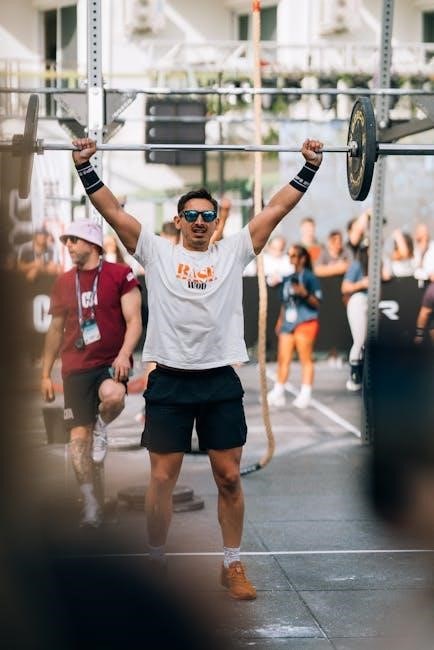
Strength and power athletes – weightlifters, sprinters – require a nutrition plan focused on muscle building and explosive energy. A sports nutrition for young athletes pdf should highlight sufficient protein intake, approximately 1.4-1.7 grams per kilogram of body weight, to support muscle repair and growth.
Carbohydrates remain important for fueling intense workouts, but the emphasis shifts towards maximizing glycogen stores for short bursts of power. Creatine supplementation, when appropriate and under guidance, can enhance performance. Proper hydration and timing of nutrient intake around training sessions are also critical, as detailed within a comprehensive pdf resource.
Nutrition for Team Sports Athletes
Team sport athletes – soccer, basketball, volleyball players – demand a balanced nutritional approach supporting both endurance and intermittent high-intensity efforts. A sports nutrition for young athletes pdf should emphasize consistent carbohydrate intake to maintain glycogen levels throughout prolonged activity and matches.
Adequate protein is crucial for muscle recovery and repair, while healthy fats support overall energy needs. Hydration strategies are paramount, especially during practices and games. A well-structured pdf guide will detail pre-, during-, and post-game fueling strategies tailored to the demands of team sports, optimizing performance and recovery.

Supplements: A Cautious Approach
Supplements require caution for young athletes; a sports nutrition pdf should detail potential risks and limited effectiveness, prioritizing whole foods first.
Common Supplements and Their Effectiveness
Many supplements marketed to young athletes lack robust scientific backing. Creatine, while researched, requires careful consideration due to potential maturity impacts. Protein powders can supplement intake, but aren’t essential with a balanced diet. Vitamin D is beneficial if deficiency exists, confirmed by testing.
A sports nutrition pdf should critically evaluate these, noting limited evidence for inflammation reduction from some sources, and emphasizing that whole foods are superior. Beware of exaggerated claims; a cautious approach, guided by a registered dietitian, is crucial. Prioritize a food-first strategy before considering supplementation.
Potential Risks of Supplement Use in Young Athletes
Supplement use carries risks for developing athletes. Contamination with banned substances is a significant concern, potentially jeopardizing eligibility and health. Unregulated products may contain inaccurate dosages or harmful ingredients. Reliance on supplements can displace nutrient-rich foods, hindering optimal development;
A comprehensive sports nutrition pdf must detail these dangers. Young bodies are still maturing, making them more vulnerable to adverse effects. Educating athletes and parents about potential risks – including unknown long-term consequences – is paramount. Prioritize safety and informed decision-making over perceived quick fixes.

Creating a Personalized Nutrition Plan
Personalized plans, often detailed in a sports nutrition pdf, require assessing individual needs; a Registered Dietitian is crucial for monitoring progress and adjustments.
Working with a Registered Dietitian
Registered Dietitians (RDs) specializing in sports nutrition are invaluable for young athletes. They create personalized nutrition plans, considering growth, activity levels, and sport-specific demands, often utilizing resources like a comprehensive sports nutrition pdf.
An RD assesses current dietary habits, identifies deficiencies, and educates athletes and families on optimal fueling strategies. They can help navigate complex information, debunk myths, and ensure a safe and effective approach.
Furthermore, RDs monitor progress, making adjustments based on performance, body composition, and overall health. They provide guidance on timing meals, hydration, and supplementation, ensuring athletes reach their full potential while prioritizing well-being. A pdf guide can supplement these sessions.
Monitoring Progress and Making Adjustments
Regularly monitoring progress is crucial when implementing a sports nutrition plan for young athletes. Track performance metrics, body composition changes, and overall well-being. Utilize a sports nutrition pdf as a reference point for goals and adjustments.
Assess energy levels, recovery times, and any gastrointestinal issues. Adjustments may involve modifying macronutrient ratios, timing of meals, or hydration strategies. Consider seasonal changes in training volume and intensity.
Collaboration with a Registered Dietitian is key for informed adjustments. They can interpret data, identify potential deficiencies, and refine the plan to optimize performance and health. Consistent evaluation ensures the plan remains effective and sustainable.

Addressing Common Nutritional Challenges
Young athletes often face picky eating or weight concerns; a sports nutrition pdf provides strategies for overcoming these hurdles and promoting healthy habits.
Dealing with Picky Eaters
Picky eating is a frequent challenge when implementing sports nutrition plans for young athletes. A sports nutrition pdf can offer practical solutions, emphasizing patience and creativity. Introduce new foods alongside familiar favorites, and involve the athlete in meal preparation.
Focus on nutrient density rather than strict portion control. Disguise healthy ingredients in appealing ways – smoothies, for example. Avoid power struggles around food, and consistently model positive eating behaviors. Small, consistent exposures to new foods are more effective than forceful encouragement. Remember, a registered dietitian specializing in youth sports can provide personalized guidance and address specific concerns outlined in a comprehensive pdf resource.
Managing Weight and Body Composition
Managing weight and optimizing body composition in young athletes requires a sensitive approach, prioritizing health over aesthetics. A sports nutrition pdf should emphasize fueling performance, not restrictive dieting. Focus on a balanced intake of macronutrients – carbohydrates, proteins, and fats – tailored to the athlete’s sport and training load.
Avoid weight shaming or promoting unrealistic body ideals. Encourage a positive body image and emphasize the importance of consistent training and proper nutrition. A registered dietitian can help establish realistic goals and monitor progress safely, as detailed in a helpful pdf guide, ensuring healthy growth and development.

Resources and Further Information
Explore recommended websites and organizations for sports nutrition insights; a comprehensive pdf guide offers sample meal plans for young athletes’ optimal fueling.
Recommended Websites and Organizations
For reliable information on youth sports nutrition, explore the Academy of Nutrition and Dietetics (eatright.org), offering resources from registered dietitians. The American Academy of Pediatrics (aap.org) provides guidance on healthy eating habits for active children.
Additionally, the National Athletic Trainers’ Association (nata.org) features insights into athlete well-being, including nutritional strategies. Seek out downloadable sports nutrition pdf guides from these organizations, often tailored for young athletes and their coaches. These resources cover topics like hydration, pre- and post-exercise fueling, and age-specific nutrient needs, ensuring a solid foundation for performance and health.
Sample Meal Plans for Young Athletes
A sample daily plan for a young endurance athlete (12-15 years) might include oatmeal with fruit for breakfast, a turkey sandwich on whole-wheat bread with a side salad for lunch, and grilled chicken with sweet potatoes and broccoli for dinner.
For strength athletes, prioritize protein: eggs and whole-wheat toast for breakfast, Greek yogurt with berries mid-morning, and lean beef with quinoa and vegetables for dinner. Many organizations offer downloadable sports nutrition pdf plans. Remember to adjust portion sizes based on individual needs and activity levels, and always prioritize hydration throughout the day.