The E46 M3, a celebrated sports car, offered both manual and SMG transmissions; however, the six-speed manual remains a highly sought-after configuration by driving enthusiasts․
This gearbox delivers a uniquely engaging experience, providing precise control and a direct connection to the powerful S54 engine, enhancing the overall driving pleasure․
Overview of the E46 M3 and its Transmission Options
The BMW E46 M3, produced from 2000 to 2006, quickly became an icon amongst performance vehicles, celebrated for its naturally aspirated 3․2-liter inline-six engine (S54) and balanced chassis․ BMW offered prospective buyers a choice between two transmission systems: the Sequential Manual Gearbox (SMG) and a traditional six-speed manual․
While the SMG aimed to blend the convenience of an automatic with the control of a manual, it proved controversial due to its sometimes-jerky shifts and complex hydraulic system․ Consequently, the six-speed manual transmission became the preferred option for purists and drivers prioritizing a direct, engaging driving experience․ This manual gearbox, known for its robust construction and precise shifts, significantly contributes to the E46 M3’s enduring appeal and collectibility․
The manual option allowed drivers to fully exploit the S54 engine’s capabilities, making it a cornerstone of the E46 M3’s legacy․
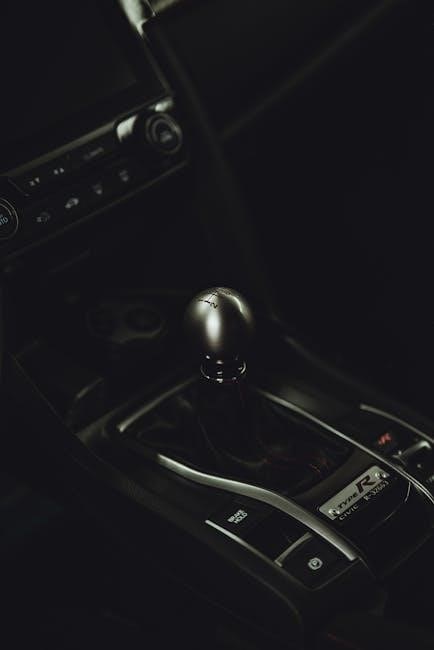
Focus on the 6-Speed Manual Gearbox – A Driver’s Choice
The E46 M3’s six-speed manual gearbox stands as a testament to driver-focused engineering․ Unlike the SMG, it provides a direct mechanical link between the engine and wheels, offering unparalleled control and feedback․ This configuration allows drivers to precisely manage power delivery and maintain optimal engine RPMs, crucial for maximizing performance on both the street and track․
Enthusiasts consistently praise the gearbox for its short throws, precise gate selection, and overall robustness․ It fosters a more immersive driving experience, demanding active participation and rewarding skillful operation․ The manual’s simplicity also contributes to its reliability, making it a favored choice for long-term ownership and modification․
Its enduring popularity has even influenced the resale values of E46 M3s, with manual examples often commanding a premium․

Common Problems with the E46 M3 Manual Gearbox
Despite its robustness, the E46 M3 manual gearbox can experience issues like difficult shifting, grinding gears, clutch wear, and synchronizer problems with increased mileage․
Gear Selection Issues – Difficulty Shifting
Difficulty selecting gears is a frequently reported problem with the E46 M3 manual transmission․ Owners often describe a notchy or resistant feel during shifts, particularly when cold․ This can manifest as an inability to engage a specific gear, or requiring excessive force to do so․
Several factors can contribute to this issue․ Low transmission fluid levels are a common culprit, as are worn shift linkage components․ The shift linkage itself can develop play over time, leading to imprecise gear selection․ Internal wear within the gearbox, such as worn shift forks or detent pins, can also cause difficulty shifting․
Sometimes, a simple transmission fluid change with the correct BMW-specified fluid can resolve the problem․ However, more significant issues may require inspection and replacement of shift linkage bushings, or internal gearbox components․ Ignoring this issue can lead to further damage and potentially complete transmission failure․
Grinding Gears – Causes and Severity
Grinding gears during shifts is a concerning symptom indicating potential issues within the E46 M3’s manual gearbox․ This typically occurs when attempting to engage a gear without fully disengaging the previous one, or due to worn synchronizers․ The severity can range from a slight grating noise to a loud, jarring grind, potentially damaging gear teeth․
Worn synchronizers are the most common cause, as they are responsible for matching the speeds of the gears before engagement․ Low transmission fluid can exacerbate the problem, reducing the synchronizers’ effectiveness․ Aggressive or rushed shifting habits also contribute to increased wear․
Ignoring grinding gears can lead to significant damage to the transmission, requiring costly repairs or a complete rebuild․ Early intervention, including fluid checks and addressing shifting technique, is crucial to prevent further deterioration and maintain the gearbox’s integrity․
Clutch Wear and Failure – Symptoms and Prevention
Clutch wear is a natural consequence of operation in the E46 M3’s manual transmission, but recognizing symptoms is vital․ Slipping, where engine RPMs rise without a corresponding increase in speed, is a primary indicator․ Difficulty engaging gears, a spongy pedal feel, or unusual noises during clutch operation also suggest wear․ Complete failure manifests as an inability to engage any gears․
Prevention involves mindful driving habits․ Avoiding “riding” the clutch – partially depressing it unnecessarily – minimizes friction and extends its lifespan․ Proper shifting technique, avoiding abrupt engagements, is also key․ Regular inspection of the clutch disc and pressure plate during maintenance can reveal early signs of wear․
Addressing issues promptly prevents further damage to the flywheel and other transmission components, saving on potentially expensive repairs․
Synchro Issues – Identifying and Addressing Worn Synchronizers
Worn synchronizers in the E46 M3’s manual gearbox commonly cause difficulty selecting specific gears, often second or third․ A telltale sign is “grinding” during shifts, even with a fully depressed clutch․ This occurs because the synchronizers, responsible for matching gear speeds, are unable to do so effectively; The severity can range from a slight scrape to a pronounced grinding noise․
Identifying the affected gear requires careful observation during test drives․ Addressing the issue necessitates a transmission rebuild or replacement of the worn synchronizers․ Ignoring the problem can lead to further damage to the gears themselves․
Using quality gearbox oil and practicing smooth shifting techniques can help prolong synchronizer life, but eventual wear is often inevitable with higher mileage․
Specific Mechanical Failures
Beyond typical wear, the E46 M3 manual gearbox can experience failures in components like the pilot bearing, throw-out bearing, and differential, leading to noises and issues․
Pilot Bearing Failure – Recognizing the Signs
The pilot bearing, located within the end of the crankshaft, supports the input shaft of the transmission․ Failure manifests as a whining or chirping noise, particularly when the clutch pedal is depressed․ This sound often disappears when the clutch is fully engaged, as the bearing isn’t under load․
Initially subtle, the noise progressively worsens over time․ Difficulty shifting into gear, especially first and reverse, can also indicate a failing pilot bearing․ Ignoring the symptoms can lead to complete bearing seizure, preventing the transmission from engaging altogether․ Replacement requires transmission removal, making it a labor-intensive repair, often bundled with clutch service for cost-effectiveness․ Regular inspection during clutch maintenance is crucial for early detection and prevention of more significant damage․
Throw-Out Bearing Problems – Noises and Replacement
The throw-out bearing, also known as the release bearing, presses against the clutch pressure plate to disengage the engine from the transmission․ A failing throw-out bearing typically produces a squealing, grinding, or rattling noise that changes with clutch pedal position․ The sound is most noticeable when the clutch pedal is depressed, as the bearing is actively engaged․
Unlike the pilot bearing, the noise often persists even with the clutch fully disengaged․ Prolonged neglect can lead to complete bearing failure, causing difficulty shifting or an inability to disengage the clutch․ Replacement necessitates transmission removal and is commonly performed alongside clutch and pilot bearing service․ Early diagnosis through attentive listening for unusual noises is key to preventing further complications and costly repairs․
Differential Issues – Noises and Potential Repairs
The E46 M3’s differential is a critical component, transferring power to the rear wheels․ Common issues manifest as whining, clunking, or grinding noises, often increasing with speed or during cornering․ These sounds can indicate worn bearings, damaged gears, or insufficient lubrication․ A properly functioning limited-slip differential (LSD) is crucial for the M3’s handling characteristics; failure can lead to reduced traction and unpredictable behavior․
Potential repairs range from fluid changes and additive use to complete differential rebuilds or replacements․ Rebuilds involve disassembling the unit, inspecting all components, and replacing worn parts․ Addressing differential problems promptly prevents further damage to the gears and bearings, ensuring optimal performance and preventing potentially dangerous driving conditions․

SMG Transmission Issues (Often Confused with Manual)
The SMG, or Sequential Manual Gearbox, differs significantly from the traditional manual; it’s frequently mistaken for one, but hydraulic and pump failures are common․

Understanding the SMG – Sequential Manual Gearbox
The SMG transmission in the E46 M3 represents a unique approach to shifting, blending manual control with automated operation․ Unlike a traditional manual requiring a clutch pedal and direct gear lever engagement, the SMG utilizes electro-hydraulic actuators to perform shifts on the driver’s behalf․
Essentially, it’s a conventional manual gearbox controlled by a computer and hydraulic system․ Drivers can choose to shift manually using buttons on the steering wheel or allow the SMG to operate in an automatic mode․ This system offers quicker shift times than a traditional manual, but it also introduces complexities that can lead to specific failure points․
It’s crucial to understand that the SMG isn’t a fully automatic transmission like a torque converter unit; it retains the core mechanics of a manual gearbox, making it distinct from other automated transmissions available at the time․
Hydraulic System Failures in SMG Transmissions
The SMG transmission’s reliance on a complex hydraulic system makes it prone to specific failures․ The hydraulic pump, responsible for generating the pressure needed for shifting, is a common point of concern, often exhibiting issues over time․ Leaks within the hydraulic lines or the hydraulic accumulator can also lead to diminished performance and shifting problems․
Low hydraulic fluid levels, resulting from leaks, can cause slow or hesitant shifts, or even complete failure to shift․ The hydraulic system also controls the clutch operation, so issues here can manifest as clutch engagement problems; Diagnosing these failures often requires checking fluid levels, inspecting lines for leaks, and testing the pump’s output pressure․
Addressing these issues typically involves replacing the pump, repairing leaks, or flushing and refilling the hydraulic fluid, demanding specialized knowledge and tools․
SMG Pump Problems – Common Causes of Failure
The SMG transmission pump frequently fails due to several contributing factors․ Consistent heat exposure, stemming from the pump’s location and operation, degrades the internal components over time, leading to reduced efficiency and eventual failure․ Contaminated hydraulic fluid, often a result of infrequent fluid changes, introduces abrasive particles that accelerate wear within the pump․
Furthermore, the pump’s design incorporates a vane-type mechanism, susceptible to wear and tear with prolonged use․ Electrical issues, such as voltage fluctuations or faulty wiring, can also compromise the pump’s performance․ Symptoms of a failing pump include slow or jerky shifts, difficulty engaging gears, and warning lights on the dashboard․
Preventative maintenance, including regular fluid changes and inspections, can mitigate these risks and extend the pump’s lifespan․
Maintenance and Preventative Measures
Regular fluid checks and timely changes are crucial for longevity․ Employing proper shifting techniques minimizes wear, while inspecting clutch components proactively prevents costly failures․
Regular Fluid Checks and Changes
Maintaining the correct fluid level and condition within the E46 M3’s manual gearbox is paramount for smooth operation and preventing premature wear․ BMW recommends specific fluids; using alternatives can lead to synchronization issues and component damage․
Checking the fluid level should be done periodically, ideally every 6,000 miles or with each oil change․ Look for any signs of contamination, such as metal shavings, which indicate internal wear․
Fluid changes are typically recommended every 30,000 to 40,000 miles, or more frequently if the car is tracked or driven aggressively․ A complete fluid flush ensures optimal lubrication and heat dissipation, extending the gearbox’s lifespan․ Neglecting these simple maintenance tasks can result in expensive repairs down the line․
Proper Shifting Techniques to Minimize Wear
Employing correct shifting techniques significantly reduces stress on the E46 M3’s manual gearbox components, particularly the synchronizers․ Avoid aggressive or rushed shifts, and always fully depress the clutch pedal for clean gear engagement․
Rev-matching during downshifts is crucial; it synchronizes the engine speed with the transmission, minimizing wear on the synchronizers and preventing jerky transitions․
Heel-toe downshifting, while advanced, offers precise control and further reduces gearbox stress․ Avoid “speed shifting” or power shifting, as these techniques place excessive strain on internal parts․ Smooth, deliberate shifts contribute to the longevity and reliability of the transmission․
Inspection of Clutch Components
Regularly inspecting the clutch system is vital for maintaining the E46 M3’s manual gearbox health․ Examine the clutch disc for wear, checking its friction material thickness and any signs of hot spots or damage․ Inspect the pressure plate for discoloration, cracks, or uneven wear on the diaphragm spring․
The throw-out bearing should be checked for smooth operation and any unusual noises during clutch engagement and disengagement․ Also, assess the clutch master and slave cylinders for leaks or signs of internal failure․
A thorough inspection can identify potential issues before they escalate into costly repairs, ensuring optimal clutch performance and preventing damage to the gearbox itself․
Repair Costs and Considerations
Manual gearbox repairs typically range from $800 to $3,000, while SMG repairs are often significantly higher due to complexity and specialized parts needed․
Average Cost of Manual Gearbox Repair
Estimating the cost of repairing an E46 M3’s manual gearbox can vary widely, depending on the specific issue and the labor rates of the mechanic․ A simple clutch replacement, a common maintenance item, generally falls between $600 and $1,200, including parts and labor․ However, more complex repairs, such as synchronizer replacement or addressing issues with the pilot bearing, can significantly increase the cost․
For a full gearbox rebuild, expect to pay anywhere from $1,500 to $3,000 or more․ This price includes disassembly, inspection, replacement of worn components (like synchros, bearings, and seals), and reassembly․ Finding a qualified BMW mechanic is crucial, as their expertise can impact both the accuracy of the diagnosis and the quality of the repair․ Used gearbox replacements are also an option, potentially costing between $800 and $2,000, but come with the risk of unknown wear and tear․
SMG Transmission Repair Costs – Typically Higher
Repairing the E46 M3’s SMG (Sequential Manual Gearbox) transmission generally incurs higher costs compared to the manual gearbox․ This is due to the SMG’s complex hydraulic system and specialized components․ Common SMG issues, like hydraulic pump failures or solenoid problems, can range from $800 to $2,500 to resolve, including parts and labor․
More extensive repairs, such as addressing clutch wear within the SMG system or rebuilding the entire transmission, can easily exceed $3,000, potentially reaching $5,000 or more․ The specialized knowledge required to diagnose and repair SMG transmissions also means fewer mechanics are qualified, potentially driving up labor costs․ Owners should be prepared for potentially significant expenses when maintaining or repairing an E46 M3 equipped with the SMG transmission․
Finding Qualified BMW Mechanics
Locating a skilled BMW mechanic is crucial for both manual and SMG E46 M3 gearbox issues․ Given the car’s age and the complexity of its systems, general mechanics may lack the specific expertise needed for accurate diagnosis and repair․ Seek out shops specializing in BMWs, particularly those with experience servicing the E46 generation;
Online BMW forums and communities are excellent resources for recommendations․ Look for mechanics with positive reviews specifically mentioning gearbox repairs․ Don’t hesitate to ask about their experience with the E46 M3’s transmissions, and inquire about diagnostic tools and training․ A qualified mechanic will provide a clear explanation of the problem and a transparent cost estimate before commencing any work․