
Overview of Self-Guided Tours
Explore Rome’s iconic Colosseum independently with downloadable audio guides, maps, and flexible pacing․ Fast‑track entry lets you bypass long lines, while multilingual narration reveals hidden history, architecture, and gladiator lore․ Enjoy quick insights rich lore
What is a Self‑Guided Tour?
A self‑guided tour is an autonomous exploration of the Colosseum that combines ticketed access with digital storytelling tools․ After purchasing a ticket that includes entry to the arena, the Forum, and Palatine Hill, visitors can download an official audio guide onto their smartphone or use a handheld device provided at the entrance․ The guide is mapped to the monument’s layout, offering concise narration about architectural details, the arena’s construction, the underground hypogeum, and the historical context of the gladiatorial games․ Users can control playback—pausing, rewinding, or skipping sections—to focus on areas that intrigue them․ The audio is available in several languages, ensuring accessibility for international travelers․ By removing the need for a live guide, visitors can move at their own speed, linger longer in sections of interest, and revisit explanations as needed․ The experience is flexible: some prefer a linear path from the entrance to the arena, while others jump between key highlights such as the amphitheater’s tiers, the hypogeum, and the Forum․ The guide also includes practical information such as safety warnings, restroom locations, and recommended routes to avoid crowds․ Overall, a self‑guided tour empowers visitors to tailor their journey, deepen their understanding of the Colosseum’s history, and enjoy a personalized, immersive experience․ Whether a buff or explorer, the self‑guided format adapts to your curiosity, making visit uniquely yours! Enjoy!Now
Benefits of Self‑Guided Tours at the Colosseum
Self‑guided tours at the Colosseum offer a range of advantages that cater to modern travelers seeking flexibility, depth, and convenience․ First, the ability to control pacing means you can linger over the arena’s stone tiers, the hypogeum’s hidden chambers, or the Forum’s marble columns without rushing to keep up with a group․ Second, multilingual audio narration—available in Italian, English, Spanish, German, and more—delivers expert commentary, historical anecdotes, and architectural insights directly to your device, allowing you to absorb information at your own speed․ Third, the digital map syncs with the audio, guiding you through the most significant sites while highlighting less‑known corners that often go unnoticed on guided tours․ Fourth, the cost‑effectiveness of a self‑guided package—often cheaper than a private guide—makes it accessible to budget‑conscious visitors․ Fifth, the freedom to pause, rewind, or skip sections means you can revisit complex explanations or skip parts that don’t interest you, ensuring a personalized learning experience․ Finally, the ability to combine the Colosseum, Forum, and Palatine Hill into a single ticket and audio package streamlines logistics, saving time and reducing the hassle of multiple entry points․ Together, these benefits create a tailored, immersive journey that respects your schedule, curiosity, and budget․ Moreover, the self‑guided format encourages independent exploration, allowing you to discover hidden details, such as the intricate stonework of the amphitheatre’s lower levels, the ancient drainage systems, and the symbolic placement of the emperor’s seat․ By engaging directly with the site, you develop a deeper connection to Rome’s imperial past, turning a simple visit into a memorable adventure․ In addition, the audio guide often includes practical tips—best times to visit, crowd‑avoidance strategies, and nearby dining recommendations—enhancing the overall experience beyond mere historical facts․ The self‑guided experience also supports accessibility: the audio can be played at adjustable speeds, and subtitles are available for those with hearing impairments․ For families, the interactive elements—such as quizzes or photo prompts—keep children engaged while learning․ Finally, the flexibility of a self‑guided tour aligns with sustainable tourism practices: fewer tour groups reduce crowd pressure on the ancient structure, preserving the Colosseum for future generations․ With these combined benefits, self‑guided tours empower visitors to craft a personalized narrative of the Colosseum, turning a historical landmark into a living story that resonates long after the journey ends․ Enjoy the adventure!
Planning Your Visit
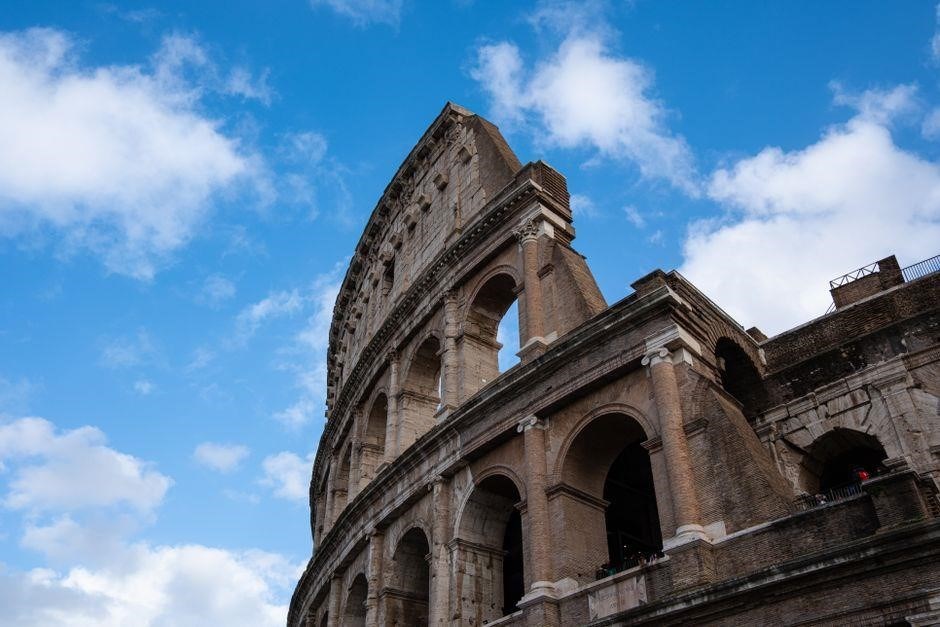
Book a fast‑track ticket to skip lines, download the official audio guide matching your ticket, and choose a convenient entry time․ Arrive early to enjoy the arena, forum, and palatine hill at your own pace, using the guide’s map for navigation and enjoy guided commentary

Ticket Options and Entry Timing
The Colosseum offers several ticket categories to suit different preferences․ Standard admission grants access to the amphitheatre, arena floor, and underground chambers, while the “Full Experience” package adds the Forum and Palatine Hill․ Visitors eager to avoid long queues can choose a fast‑track entry, bypassing the main line and moving directly to the entrance gate․ Timing matters: the venue opens at 9:00 a․m․ and closes at 7:30 p․m․ (last entry at 6:30 p․m․)․ Early morning visits, especially before 10:00 a․m․, typically have shorter wait times, whereas late‑afternoon slots can be crowded․ It is advisable to purchase tickets online in advance, as daily capacity is limited and sells out quickly during peak season․ Some tickets include a complimentary audio guide download code that can be activated on the official app, ensuring a seamless self‑guided experience from the moment you step through the gates․ Remember to check the date and time of your ticket, as the schedule may shift during public holidays or special events, and plan accordingly to make the most of your visit․ Additionally, the Colosseum offers a combined ticket that includes access to the nearby Roman Forum and Palatine Hill․ This option allows you to explore the heart of Rome;

Choosing the Right Audio Guide
When selecting an audio guide for the Colosseum, consider the device compatibility, language options, and depth of content․ The official Colosseum app offers a free basic guide in English, Italian, Spanish, German, and French, while the premium “Full Experience” guide adds in-depth commentary, high‑resolution images, and interactive maps․ For travelers who prefer a more immersive experience, third‑party apps such as Soundwalk and Guidebook provide downloadable audio files that can be used offline, eliminating data usage․ Pay attention to the guide’s narration quality; professional voice‑overs with clear diction enhance the storytelling․ Some guides include a “skip” feature, allowing you to bypass sections that are less relevant to your interests․ If you plan to visit the Forum and Palatine Hill, look for a bundled guide that covers all sites․ Finally, read recent reviews to gauge user satisfaction, and check the guide’s last update date to ensure the information is current․ By matching the guide’s features to your travel style, you can maximize the educational value of your self‑guided tour․
For visitors who enjoy a deeper dive into Roman history, some audio guides offer optional extended segments covering the Colosseum’s construction techniques, the engineering feats behind the retractable velarium, and anecdotes about the gladiators who once fought within its walls․ These segments are narrated by historians, adding authenticity and context․ If traveling with children, look for kid‑friendly versions that simplify complex terms and include interactive quizzes․ Many guides now support Bluetooth headsets, allowing comfortable listening without disturbing others․ Check the app’s battery usage before you depart, as prolonged use can drain your device․ By planning ahead and selecting the right features, you can tailor the experience to match your interests and ensure a memorable visit to one of Rome’s iconic landmarks․ Enjoy the journey and discover now!
Audio Guide Features
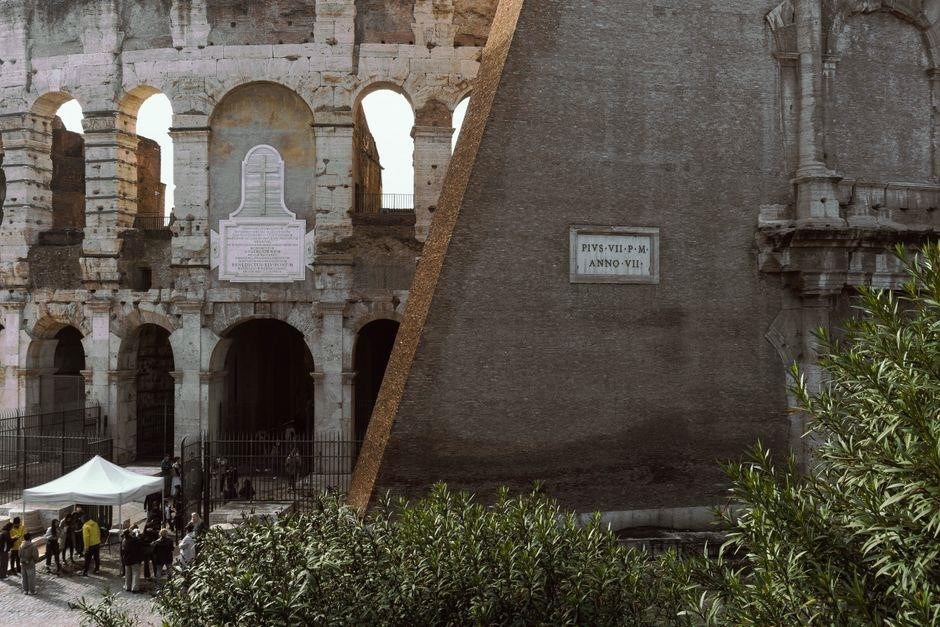
Features include multilingual narration, interactive maps, offline download, pause‑skip, and historical depth․ Official guides offer fast‑track entry links, while third‑party apps provide extended commentary and kid‑friendly options․ Downloadable content ensures data charges!!․
Content and Narration Quality
The audio guide’s narration is crafted by historians and professional voice actors, delivering vivid stories of gladiatorial combat, architectural marvels, and the social fabric of ancient Rome․ Each segment is timed to match the visitor’s pace, allowing pauses for deeper exploration or quick skips for those on a tight schedule․ The guide includes contextual footnotes, interactive prompts, and QR codes that link to supplementary videos and 3D reconstructions․ Users can switch between languages—English, Italian, Spanish, German, Greek—ensuring accessibility for international tourists․ Audio quality is high‑definition, with clear enunciation and background music that enhances immersion without overpowering the narration․ The guide’s structure follows the Colosseum’s layout: entrance, hypogeum, arena floor, and surrounding forums, providing a logical flow that mirrors the physical journey․ Feedback from early adopters highlights the guide’s ability to transform a standard visit into an engaging, self‑paced learning experience․ The integration of downloadable content means visitors can enjoy the tour offline, a critical feature for those with limited data plans or in areas with spotty connectivity․ Overall, the narration quality balances scholarly depth with approachable storytelling, making the Colosseum’s rich history accessible to all․
Additionally, the guide offers interactive features such as a built‑in timer, bookmark function, and the option to replay specific sections․ This flexibility allows visitors to revisit complex architectural details or historical anecdotes at their leisure․ The audio files are compressed efficiently, ensuring quick downloads while maintaining crystal‑clear sound․ The guide’s user interface is intuitive, with a simple tap‑to‑play design that requires no technical expertise․ For those interested in deeper research, the guide provides links to scholarly articles and primary sources, enabling a richer understanding of Roman engineering and culture․ The combination of expert narration, multilingual support, and interactive tools makes the audio guide a powerful companion for any self‑guided Colosseum tour․ The guide’s seamless integration with mobile devices ensures a smooth, distraction‑free experience throughout the visit․
Multi-language Availability
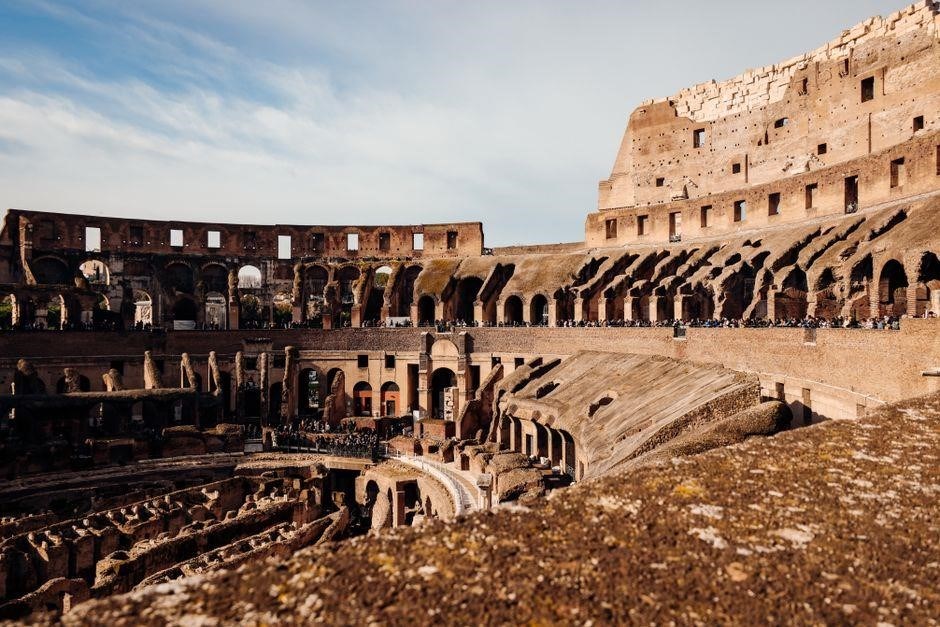
The Colosseum self‑guided audio tour offers a wide range of languages to welcome visitors worldwide․ Available in English, Italian, Spanish, German, Greek, French, and Mandarin, each version features professional narration that preserves the guide’s pacing and tone․ Dual‑language tracks pair a primary language with an audio overlay․ The accompanying digital map and QR‑coded resources include translated captions and interactive 3D models, ensuring a consistent multilingual experience throughout the site․ Language preferences are stored locally, so the next visit starts in the chosen language without re‑downloading the guide․ Audio files are compressed to keep high quality while maintaining manageable file sizes across all supported languages․ This extensive coverage lets visitors from diverse linguistic backgrounds fully engage with the Colosseum’s history and architecture, making the self‑guided tour accessible, inclusive, and enriching for everyone․
Accessibility features complement the multilingual options․ Adjustable playback speed, subtitles, and a high‑contrast visual mode support users with hearing or visual impairments․ Guides can be downloaded for offline use, essential in areas with limited connectivity․ The interface uses clear icons and language flags, making navigation intuitive for all users․ By offering a broad spectrum of language choices, the tour removes linguistic barriers, inviting everyone to step into the ancient arena and experience its stories firsthand․
Developers collaborate with local tourism boards to keep translations current, reflecting new archaeological findings and scholarly insights․ A quick reference guide for key architectural terms helps visitors appreciate the site’s intricate design․ The guide’s design prioritizes clarity, with concise explanations that keep visitors engaged without overwhelming them with excessive detail for a smooth experience today․
Navigating the Colosseum
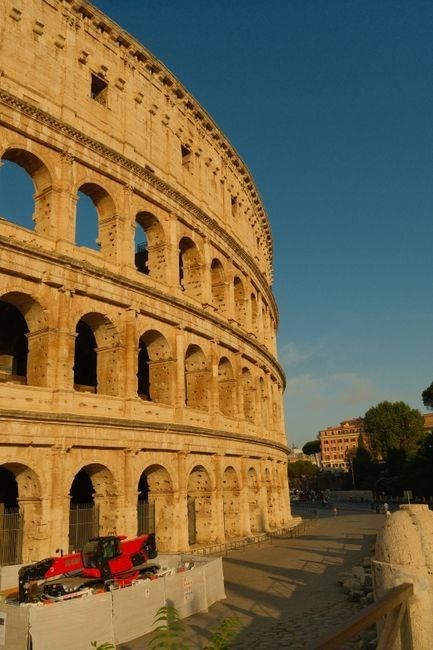
Use the official entrance, scan QR codes, and follow the audio guide’s step‑by‑step path․ The app highlights key zones, offers real‑time navigation, and lets you pause or skip sections, ensuring a smooth, self‑paced exploration․ The guide offers a 3D map for context․
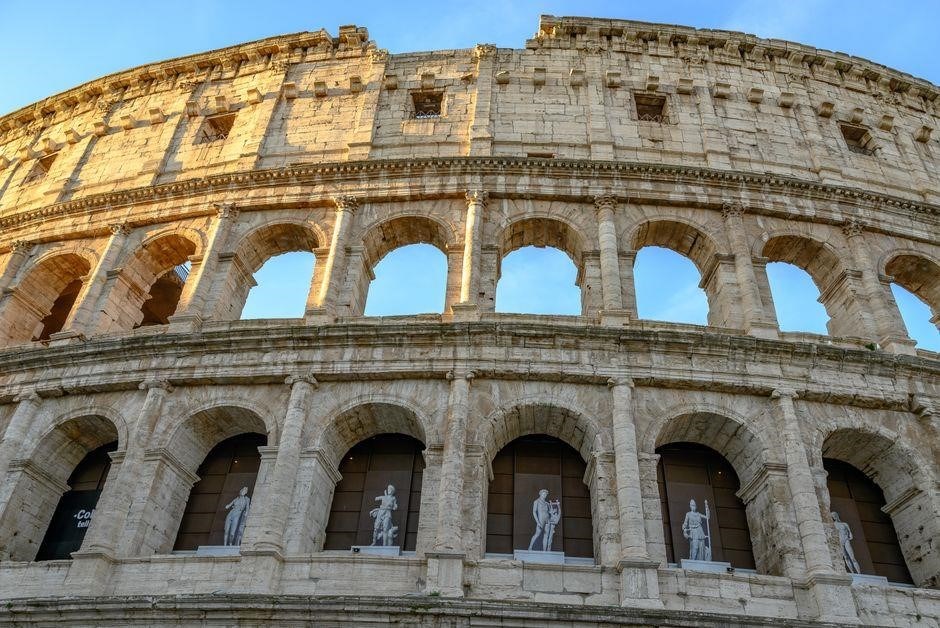
Entrance and Ticketing Process
Step 1: Purchase a ticket online via the official Colosseum portal or authorized vendors․ Options include standard admission, fast‑track, and combined passes that cover the Forum and Palatine Hill․ Prices vary by age and season; children under 12 enter free․ After payment, you receive a QR‑coded e‑ticket or a printable PDF․ Step 2: On arrival, locate the main entrance on Piazza del Colosseo․ Present your QR code at the electronic gate; the scanner verifies validity and grants access․ If you have a paper ticket, a staff member will scan the barcode․ Step 3: Inside, the museum’s information desk offers a free audio‑guide download link․ Download the app or use the QR code to access the full‑audio tour․ The guide syncs with your location, automatically advancing as you move through the arena, underground hypogeum, and upper tiers․ Step 4: For visitors who prefer a paper map, the ticket includes a laminated map of the Colosseum’s layout․ Use it to navigate the complex, noting key landmarks such as the amphitheater’s central arena, the vomitoria, and the ancient seating tiers․ Step 5: After the tour, exit through the same main gate․ If you purchased a fast‑track ticket, you can bypass the standard queue and head straight to the audio‑guide kiosk․ Remember to keep your ticket handy for any future visits or for accessing special exhibitions․ Consider pairing the audio guide with a guided walk of the Forum and Palatine Hill, available online or at the ticket office, to deepen your understanding of ancient Rome’s core and vivid insights today․!!
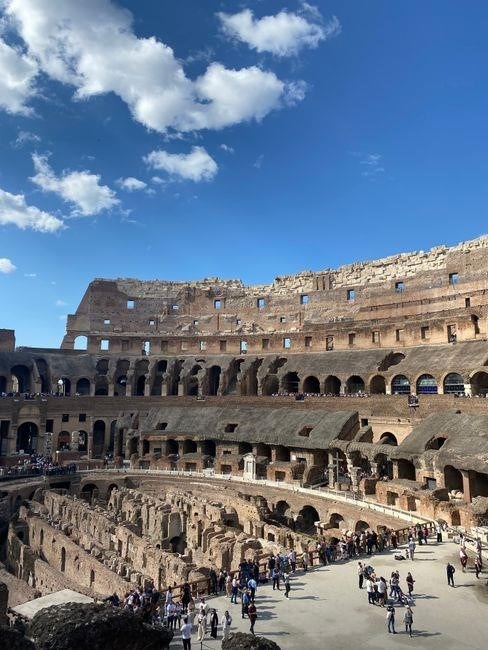
Key Areas to Explore
Start at the grand entrance plaza, where the towering arch of triumph frames the Colosseum’s façade․ From there, head straight to the arena floor, the living heart of the amphitheater, where ancient gladiators once faced each other․ Beneath the arena lies the hypogeum, a labyrinth of tunnels, cages, and trapdoors that supplied the spectacle with animals, chariots, and surprise entrances․ Ascend the seating tiers—known as vomitoria—to witness the engineering marvels of the stone arches and the panoramic vistas of Rome’s skyline․ A short walk brings you to the Forum, the political and commercial hub of ancient Rome, and the Palatine Hill, the legendary birthplace of the empire․ Each area offers distinct audio narratives that weave historical anecdotes, architectural details, and immersive soundscapes, bringing the past to life․ The audio guide highlights the emperor’s box, the marble columns, and the ancient inscriptions that once adorned the walls․ It also explains the significance of the amphitheater’s tiered seating, the use of the hypogeum’s trapdoors, and the role of the Forum in Roman civic life․ Follow the guided path to ensure you capture the most significant landmarks and hidden corners, all while enjoying the flexibility of a self‑paced exploration․ The tour concludes at the exit, where you can reflect on Rome’s grandeur and plan your next adventure․
The Colosseum’s design showcases engineering brilliance, using concrete and stone to create a massive structure that could hold up to 80,000 spectators․ Hidden chambers stored weapons and animals, and restoration projects uncovered frescoes and inscriptions revealing the lives of its builders․
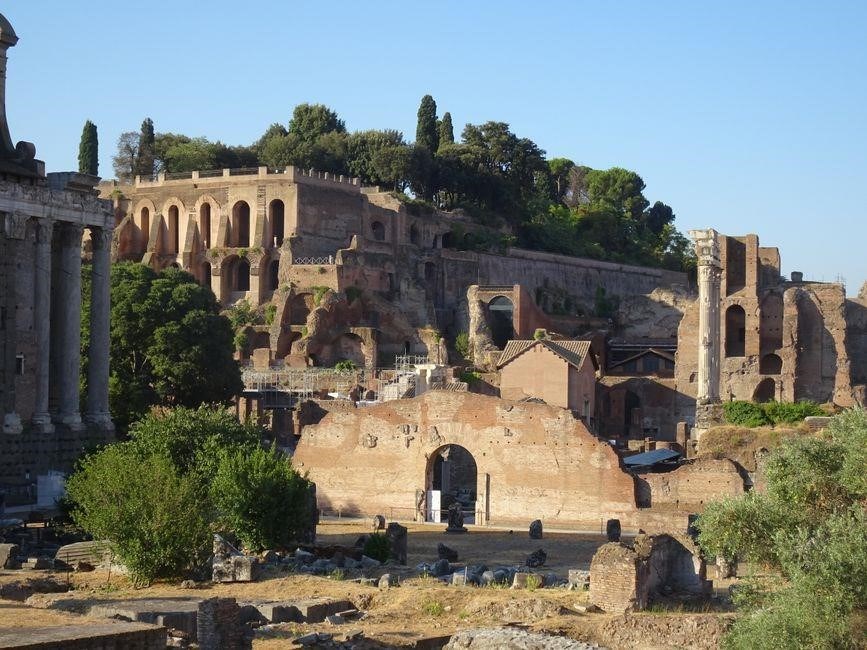
Practical Tips
Arrive early to avoid crowds, download the audio guide before entry, wear comfortable shoes, bring water, and use the fast‑track ticket․ Pause the narration to linger, and follow the suggested route for a balanced experience․ Check battery life and bring a power bank Exit soon
Time Management and Pace
Planning a self‑guided Colosseum visit demands a clear rhythm․ Allocate 45–60 minutes for the arena, 30 minutes for the underground chambers, and 20–30 minutes for the upper tiers․ Download the audio guide ahead of time and bookmark the sections you want to revisit․ Start at the main entrance, use the fast‑track pass to skip queues, and let the narration guide you through the key points․ Pause whenever you wish to explore a niche detail or take a photo․ Keep an eye on the clock; the Colosseum’s layout can be confusing, and wandering too far can eat into your allotted time․ If you’re short on hours, focus on the arena floor, the hypogeum, and the iconic arches․ Remember to hydrate, wear supportive footwear, and bring a small backpack for essentials․ Finally, leave a buffer of 15–20 minutes for unexpected delays or to savor the sunset view from the top․ This structured approach ensures you cover the highlights without feeling rushed․
Additionally, consider the museum’s opening hours; the Colosseum opens at 8:30 AM, and closing times vary seasonally․ Arriving before 10 AM ensures you can enjoy the quieter morning light and avoid the midday crowds․ If you have a fast‑track ticket, you can also access the underground chambers earlier, giving you a smoother flow through the complex․
Use the mobile app’s real‑time navigation to avoid backtracking, and note that the Colosseum’s temperature can rise sharply after noon, so plan breaks in shaded areas․ Finally, keep a small water bottle and a snack to maintain energy during the walk․